
GLP-1 microdosing: how a lower-dose plan is set
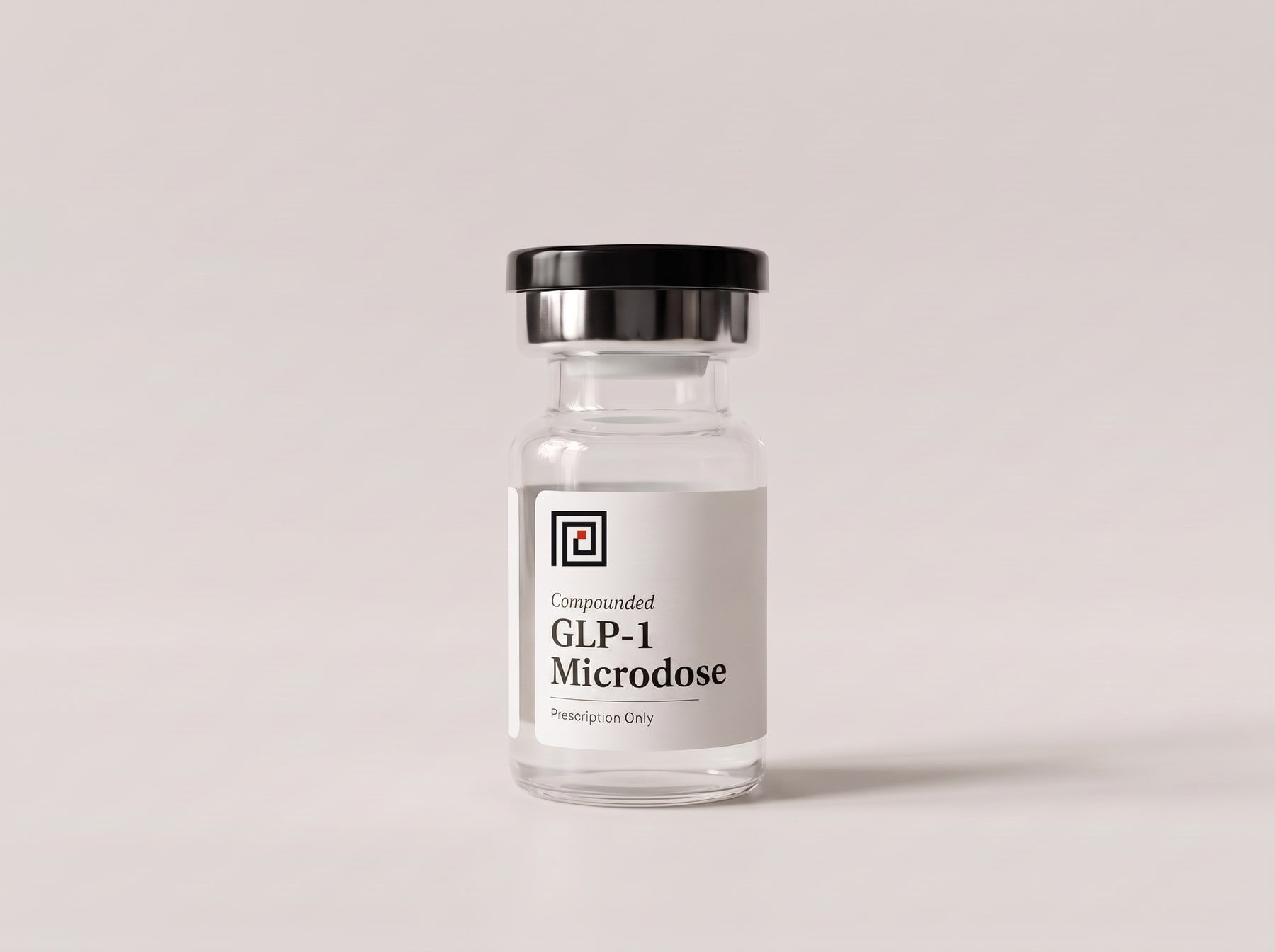
Microdosing means starting a GLP-1 medication at a lower weekly dose than a standard plan. Here is how providers approach it and what to expect from care.
Related treatments
Key takeaways
- A microdose plan starts GLP-1 medication at a lower weekly dose.
- Your provider sets and adjusts the dose with you.
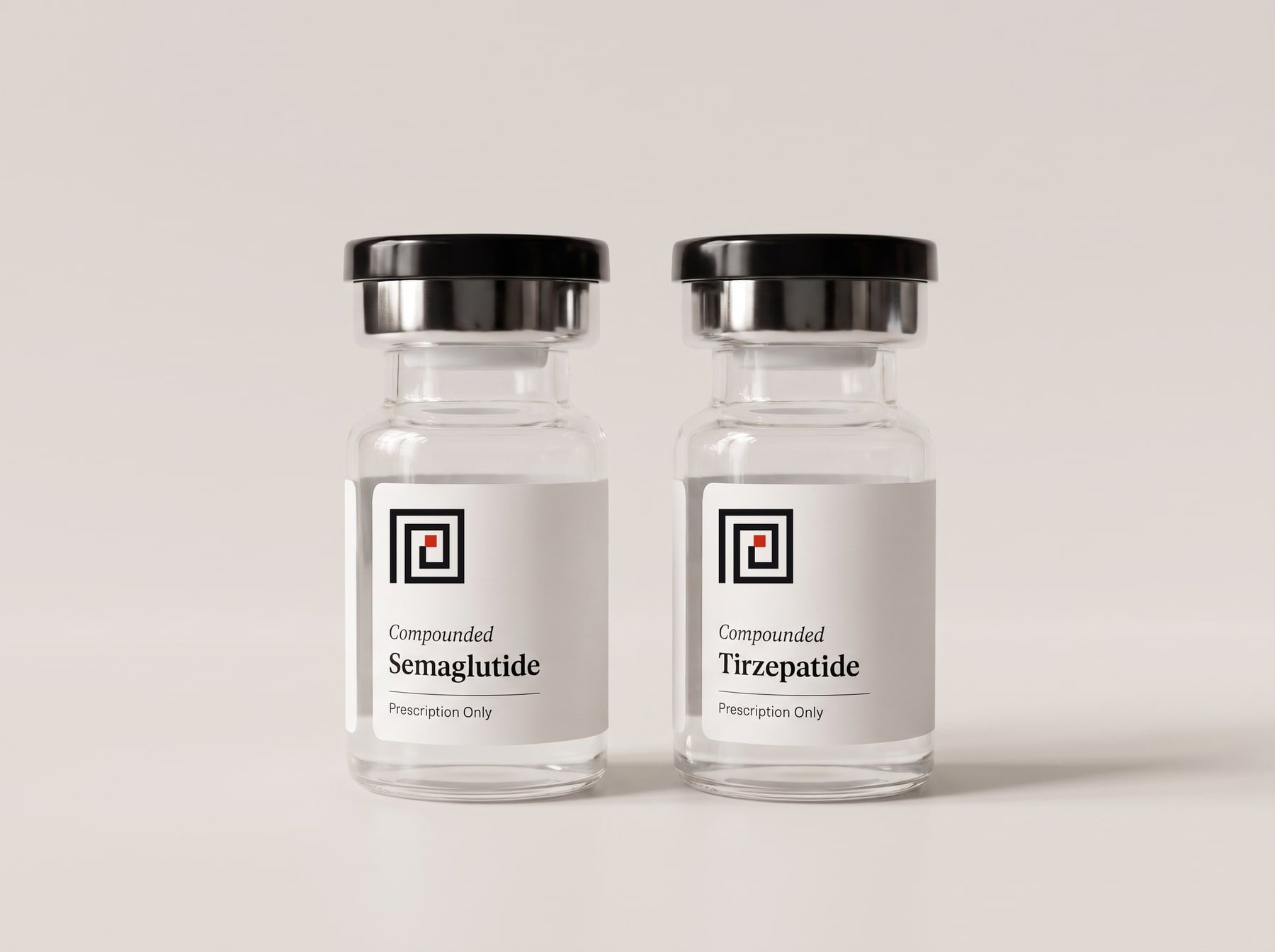
- Compounded semaglutide and tirzepatide are not FDA-approved.
GLP-1 medications such as semaglutide and tirzepatide are usually started at a low dose and increased over time. A microdose plan keeps the weekly dose lower than a standard plan.
How a provider sets the plan
A five-minute online assessment.
Review by a licensed provider, usually within 24 hours.
A starting dose chosen for you, with clear instructions.
Regular check-ins to adjust the plan.

Microdose vs standard plan
Microdose plan | Standard plan | |
|---|---|---|
Weekly dose | Lower | Increases on a set schedule |
Pace of changes | Slower, adjusted with you | Follows a titration schedule |
Who decides | Your provider | Your provider |
Important
Compounded semaglutide and tirzepatide are not FDA-approved. Results vary from person to person.
Compounded medications are not FDA-approved. Prescriptions are issued only at a licensed provider’s discretion. This article is for information, not medical advice.
How we write
Articles are written by THINKR’s care team. They explain how care works and what research does and doesn’t show; they are general information, not medical advice, and your provider can tell you what applies to you. We update articles when guidance changes. Questions or corrections: support@thinkrmd.com.