
A lone runner cresting a mountain ridge above the clouds at first light

Provider-prescribed peptides

Go beyond the usual.

Peptides for recovery, performance, focus and renewal. Reviewed by a licensed provider, compounded by a licensed U.S. pharmacy.

Peptides are how your cells pass messages. Short chains of amino acids, carrying one instruction at a time. Now reviewed and prescribed by a licensed provider.

Cold mountain water rushing over dark stones in a misty gorge

Chapter 01 of 05

Recover.

Peptides studied for tendon, ligament and soft-tissue repair.

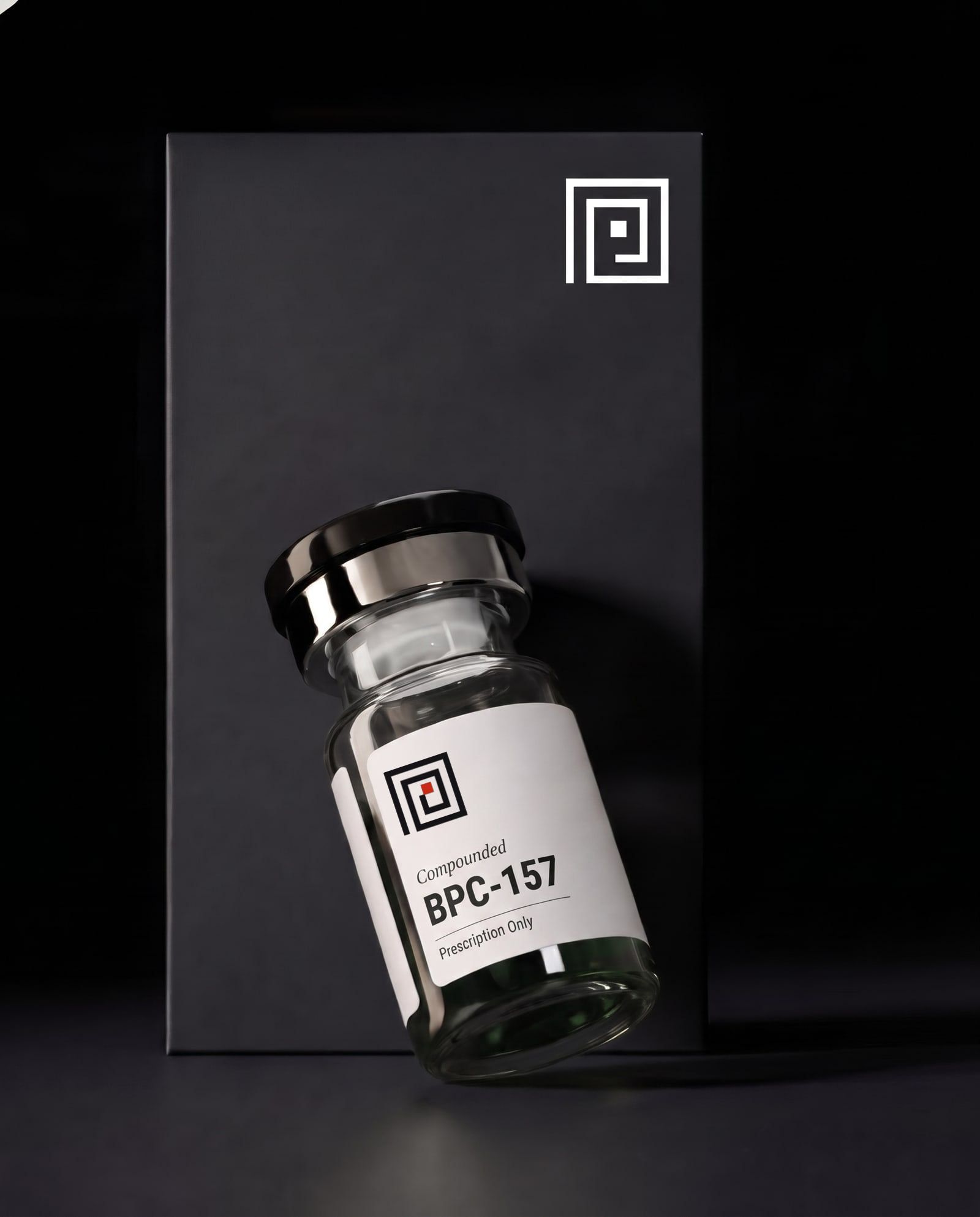
BPC-157

BPC-157 has been studied, mostly in animals, for tendon, ligament and muscle repair and for the gut lining. Researchers link it to new blood-vessel growth and to cells involved in repair.

Human evidence is early and small. It is not FDA-approved.

Subcutaneous injection$90 first month
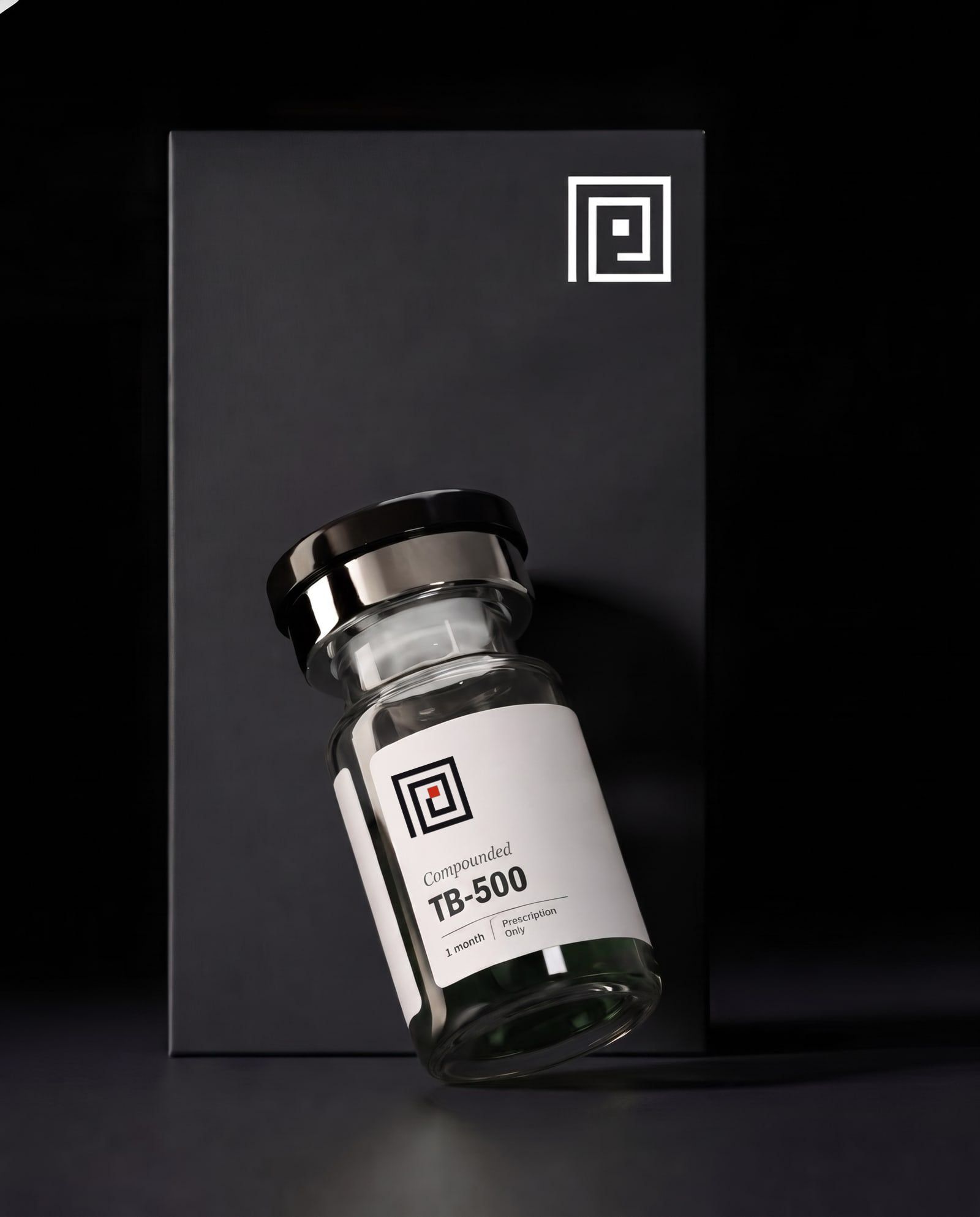
TB-500

Thymosin beta-4 helps cells move and organise during repair. TB-500 copies the part of it thought to be active, and has been studied mainly in animals for soft-tissue repair.

Human evidence is limited. It is not FDA-approved.

Subcutaneous injection$99 first month

A swimmer moving through a dark pool at dawn, amber light on the water

Chapter 02 of 05

Perform.

A peptide from the mitochondria, studied for how muscle uses fuel.

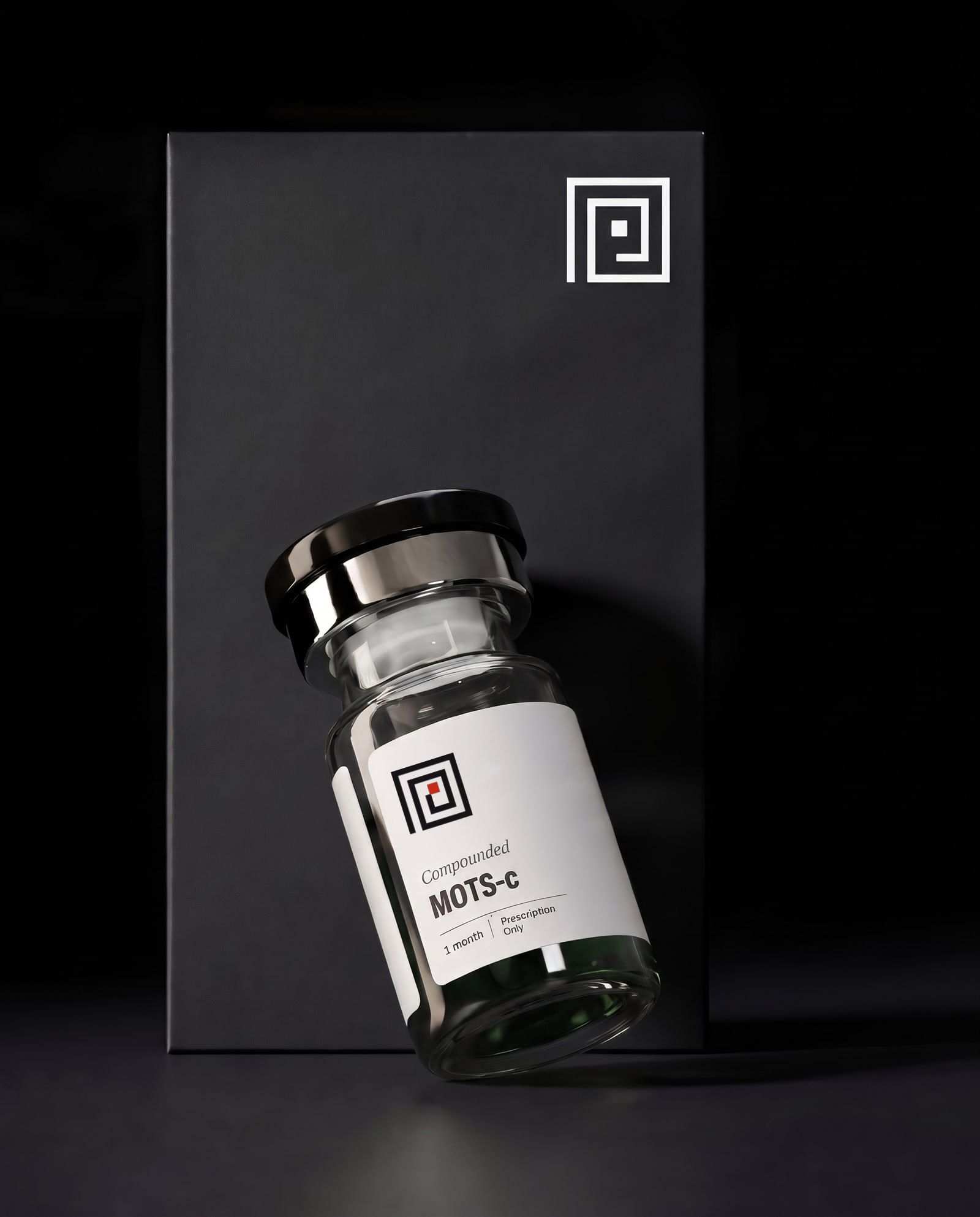
MOTS-c

MOTS-c is made from instructions in the mitochondria’s own DNA. In animal studies it affects how muscle uses glucose and responds to exercise.

Human research is early. It is not FDA-approved.

Subcutaneous injection$199 first month

Filaments of light drawing a squared spiral in the dark

Chapter 03 of 05

Focus.

A nasal-spray peptide studied for attention.

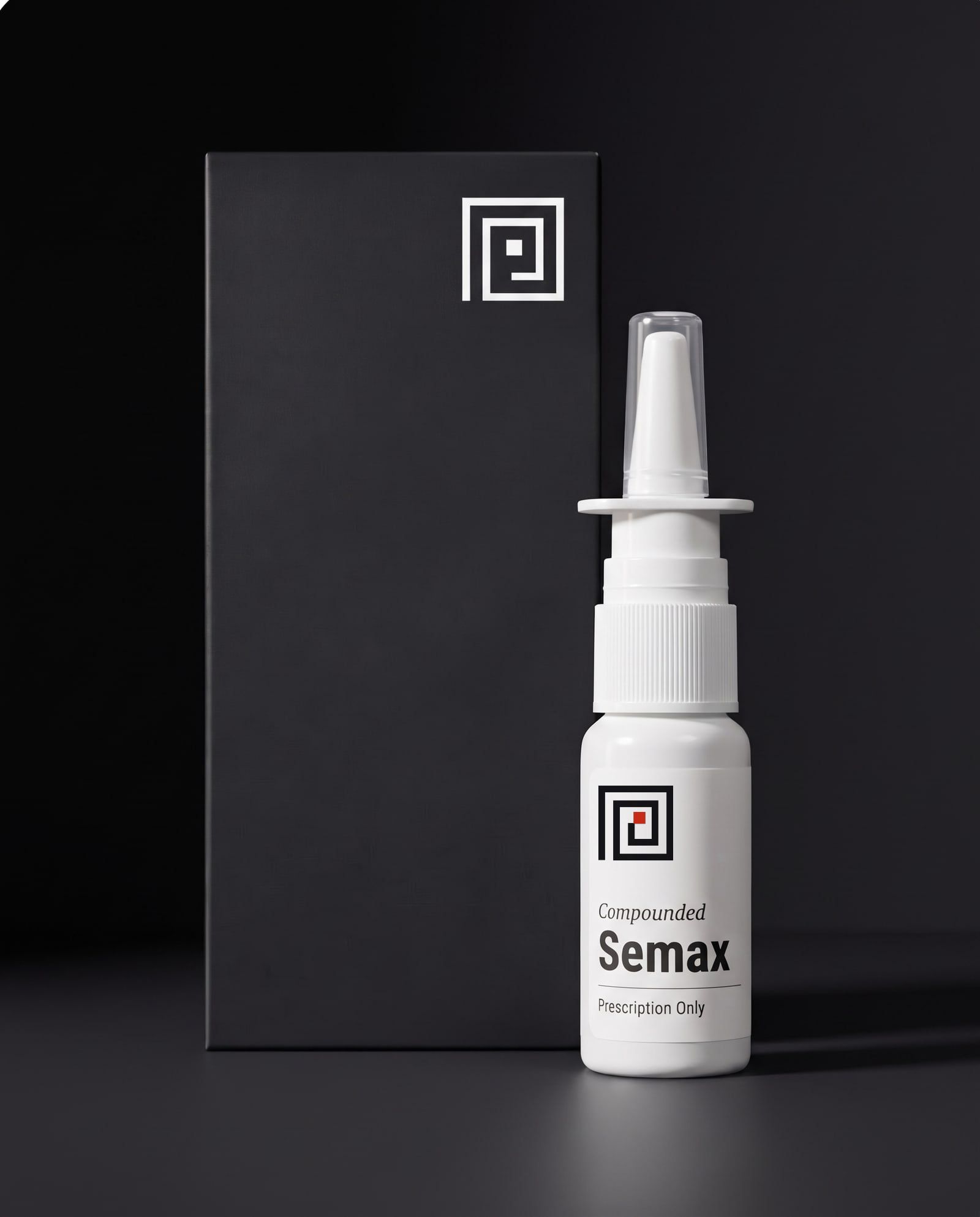
Semax

Semax was developed from a fragment of adrenocorticotropic hormone (ACTH 4-10). It is approved as a medicine in Russia and has been studied there for attention and recovery after stroke.

It is not FDA-approved, and research outside Russia is limited.

Nasal sprayComing soon

First light spreading along the horizon above empty desert dunes

Chapter 04 of 05

Renew.

A short peptide studied for telomerase and sleep hormones, taken in courses.

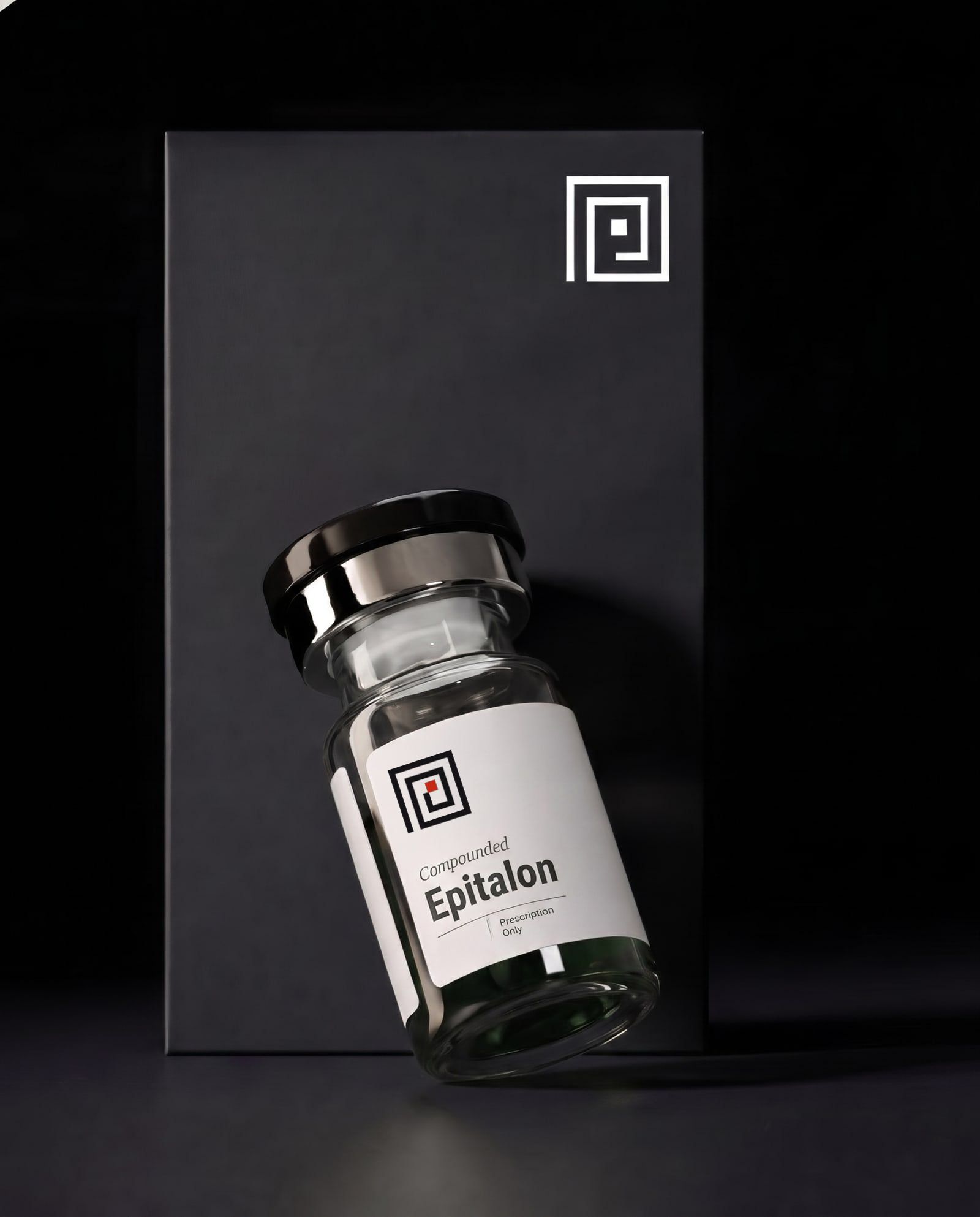
Epitalon

Epitalon (alanine, glutamic acid, aspartic acid, glycine) was developed from epithalamin, an extract of the pineal gland. It has been studied for effects on telomerase and sleep hormones.

Most research comes from a small number of labs and animal studies. It is not FDA-approved.

Subcutaneous injectionComing soon

Pale silk drifting slowly through dark water

Chapter 05 of 05

Restore.

A tiny peptide studied in lab and animal work for inflammatory signals in the gut.

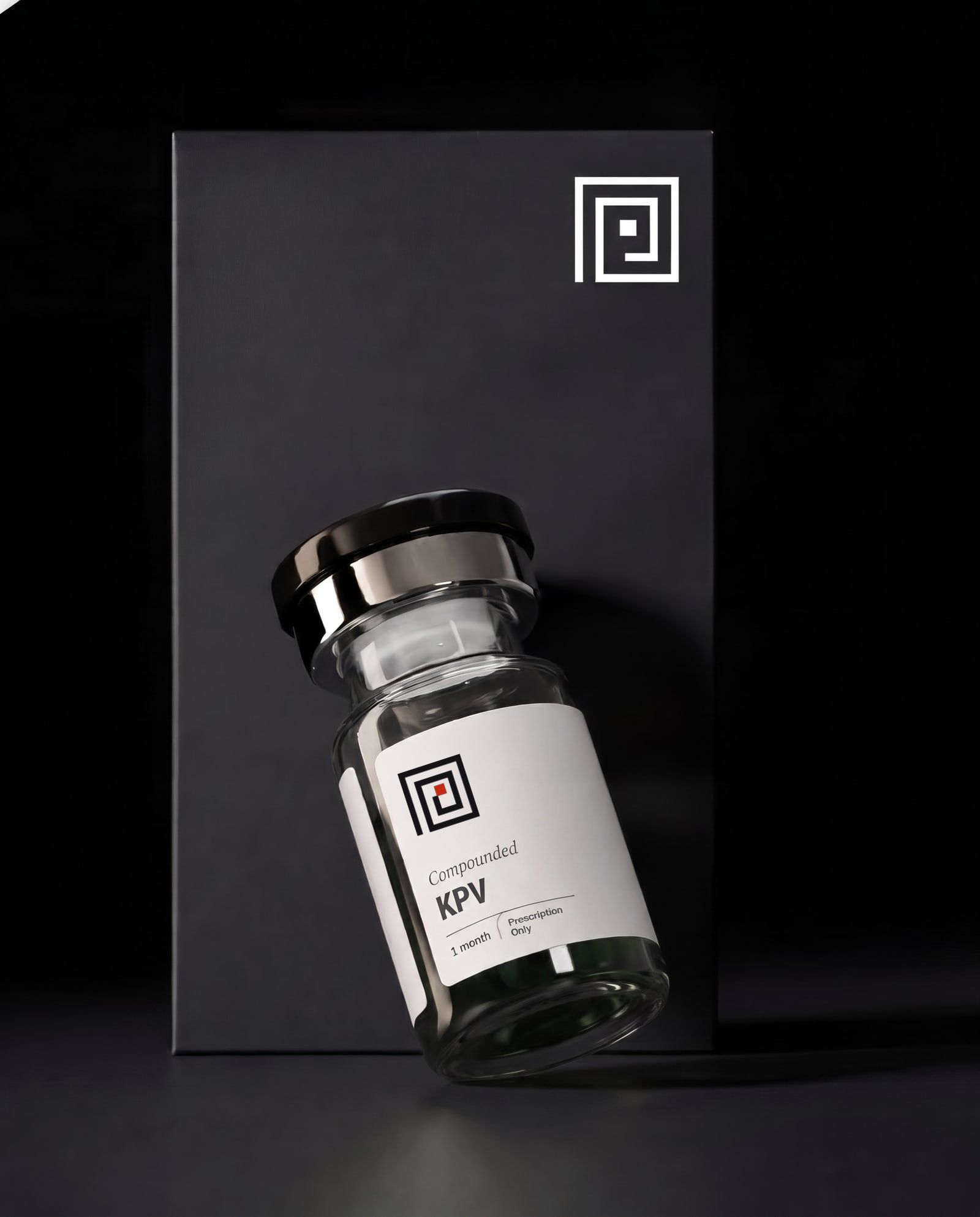
KPV

KPV is the last three amino acids of alpha-melanocyte-stimulating hormone. In lab and animal studies it calms inflammatory signalling, particularly in the gut lining.

Human evidence is very limited. It is not FDA-approved.

Subcutaneous injectionComing soon

Peptides, plainly

What is a peptide?

A short chain of amino acids, the same building blocks as proteins, only smaller. Your body makes many of them, and uses them as signals between cells. Therapeutic peptides are modeled on those signals.

A luminous molecular ribbon slowly folding in the dark

Two ways in. Your provider picks what fits.

  • Injection

    A small injection under the skin, on a schedule your provider sets.

    BPC-157, TB-500, MOTS-c, Epitalon, KPV

  • Nasal spray

    A spray into the nose, absorbed through the lining. No needle.

    Semax

Why a prescription

Not “for research use only.”

Some sites sell peptides labeled as not for people, with no prescription and nobody to ask. This is the other way around.

THINKRResearch-use sites
Reviewed by a licensed provider✓–
Prepared by a licensed U.S. pharmacy✓–
Prescribed for you, not labeled “research use only”✓–
Instructions for every kit✓–
A care team to ask questions✓–

The lineup

Six peptides. One evaluation.

Prescribed properly

Beyond the usual, with a licensed provider behind it.

  • Licensed providers

    A licensed provider reviews your history and goals, and tells you when a peptide is not right for you.

  • A licensed U.S. pharmacy

    Each prescription is compounded by a licensed U.S. pharmacy, not bought from a research-chemical supplier.

  • One ingredient at a time

    Every peptide here is its own single-ingredient medication. No blends and no stacks in a vial.

  • Plain about the evidence

    Most peptide research is in the lab, in animals or in small human studies. Each section below says so.

Straight answers.

Are these peptides FDA-approved?

No. They are compounded medications prepared by a licensed U.S. pharmacy for your prescription. FDA does not review compounded drugs for safety, effectiveness or quality, and availability may change if FDA policy changes.

How is this different from “research use only” sites?

“Research use only” products are not made for people and are not prescribed. Here, a licensed provider reviews your evaluation first, and a licensed U.S. pharmacy prepares anything prescribed.

Will a provider prescribe what I ask for?

Not necessarily. Your provider decides whether a peptide is appropriate for you, and may tell you that none is.

Can I take them together?

Each peptide is prescribed as its own single-ingredient medication. Your provider checks how any treatments interact with each other and with anything else you take.

I compete in a tested sport. Can I use them?

BPC-157 and TB-500 are on the World Anti-Doping Agency’s prohibited list, and many other peptides are prohibited in tested sport. Check your sport’s rules before use.

First light spreading along the horizon above empty desert dunes

Start with a five-minute assessment.

A licensed provider reviews it and decides whether a peptide fits you.

01 / 02What’s your main goal?