
Collagen, Glycine and Glutathione: Why Two Scoops a Day
Your body may not make enough glycine to keep up with collagen repair and glutathione at the same time. What the research shows, and how to take collagen peptides.
Related treatments
Key takeaways
- About a third of the amino acids in collagen are glycine. Your body makes some glycine, but one analysis estimated a shortfall of about 10 g a day.
- Glycine is also one of glutathione’s three building blocks. In older adults, low glycine and cysteine went with low glutathione, and supplementing both restored it.
- In trials, collagen peptides improved skin elasticity, hydration and wrinkles, at 2.5–15 g a day.
- THINKR’s routine: 20–40 g of collagen peptides a day, which is 2 to 4 scoops of about 10 g each.
Collagen is the most abundant protein in your body. It gives skin its firmness and holds together tendons, bones and blood vessels, and it is built in a repeating pattern in which every third amino acid is glycine. That makes glycine the raw material your body needs most to make and repair collagen.
The glycine gap
Your body can make glycine, and you get some from food, but maybe not enough. One detailed analysis estimated that an adult makes about 3 g of glycine a day and eats another 1.5–3 g, which may fall short of total needs, including collagen repair, by about 10 g a day. The authors concluded that glycine behaves like a semi-essential nutrient (Meléndez-Hevia et al., 2009 (opens in a new tab)).
Glycine and glutathione
Glycine is also one of the three building blocks of glutathione, the body’s main antioxidant inside cells, along with cysteine and glutamate. Cysteine is usually the tightest limit on how much glutathione you can make, but glycine can run short too, especially with age.
In one study, older adults had about half the glycine and glutathione levels of younger adults. Two weeks of cysteine and glycine supplements raised their glutathione by 95% and lowered markers of oxidative stress (Sekhar et al., 2011 (opens in a new tab)). A 16-week randomized trial of glycine with NAC (a form of cysteine) in older adults corrected glutathione deficiency and improved oxidative stress, inflammation and physical function (Kumar et al., 2023 (opens in a new tab)). Note that these studies paired glycine with cysteine; collagen supplies the glycine half.
What collagen does for skin
Collagen peptides are collagen broken into small pieces that are easy to absorb. In a placebo-controlled trial, women aged 35 to 55 who took 2.5 or 5 g a day for 8 weeks had better skin elasticity (Proksch et al., 2014 (opens in a new tab)). A meta-analysis of 19 trials with 1,125 people found collagen improved skin hydration, elasticity and wrinkles, with the clearest results after about 90 days (de Miranda et al., 2021 (opens in a new tab)).
How to take it
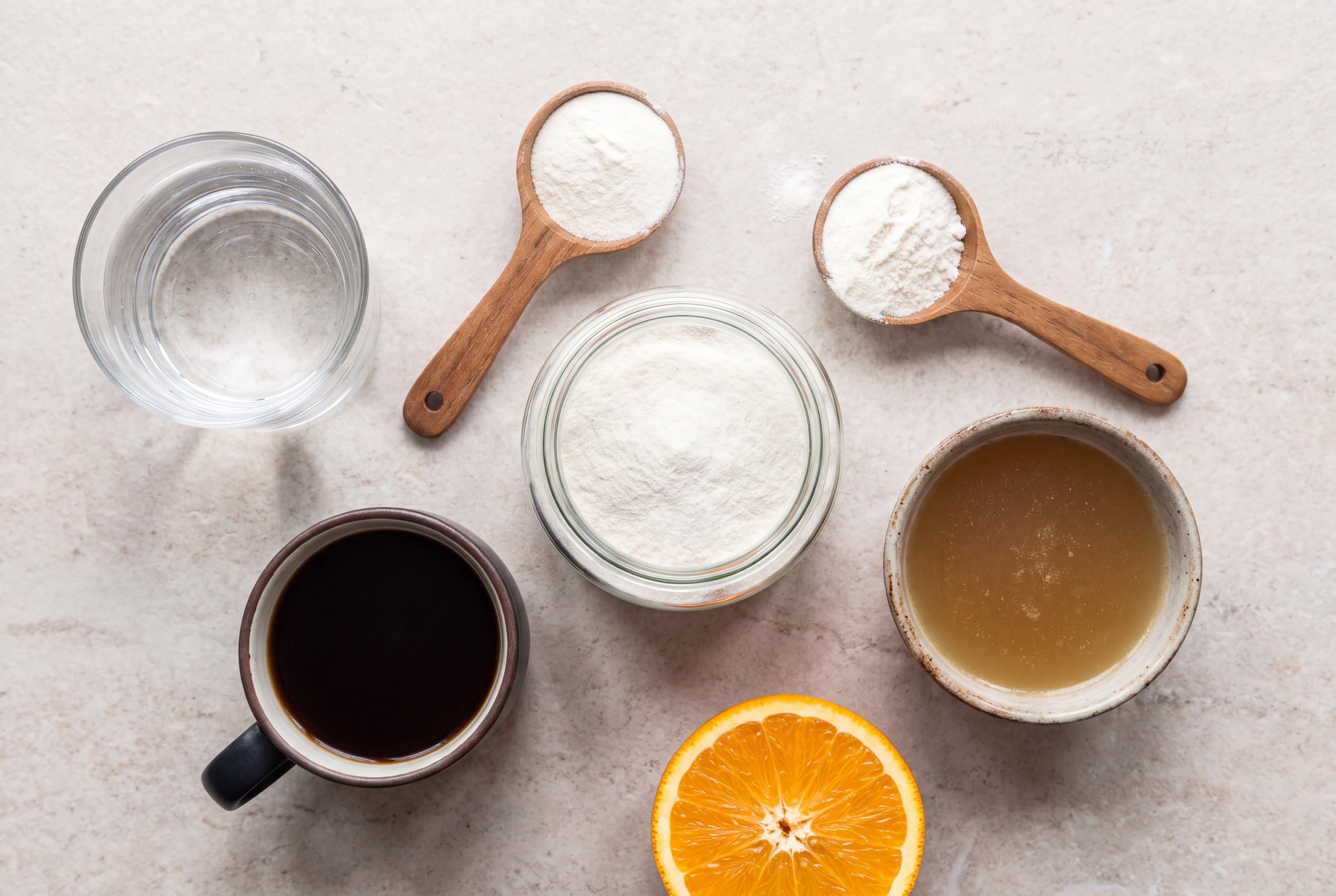
Dose: 20–40 g of collagen peptides a day. A scoop is usually about 10 g, so that’s 2 to 4 scoops. Skin trials used 2.5–15 g a day; the higher amount also helps cover the glycine gap.
Mix it in: it dissolves in coffee, tea, smoothies, water or soup.
Add vitamin C: your body needs it to build collagen (NIH Office of Dietary Supplements (opens in a new tab)). Citrus, berries or peppers through the day are enough.
Give it time: skin results in studies took 8 to 12 weeks.
Count it as extra protein: collagen lacks tryptophan, so it doesn’t replace meals. Up to about a third of your daily protein can come from collagen while keeping your diet balanced (Paul et al., 2019 (opens in a new tab)).
Good to know
20–40 g of collagen adds 20–40 g of protein to your day. If you have kidney or liver disease or have been told to limit protein, ask your provider first. Choose a product tested by a third party, and check labels if you avoid fish or beef.
Collagen supplies the building blocks. If you want to support glutathione directly, THINKR’s providers can discuss glutathione therapy as part of a plan built around your labs.
References
Compounded medications are not FDA-approved. Prescriptions are issued only at a licensed provider’s discretion. This article is for information, not medical advice.
How we write
Articles are written by THINKR’s care team. They explain how care works and what research does and doesn’t show; they are general information, not medical advice, and your provider can tell you what applies to you. We update articles when guidance changes. Questions or corrections: support@thinkrmd.com.