
Creatine for the Brain: What the Research Shows Beyond the Gym
Creatine is best known as a gym supplement, but your brain uses it too. What the trials show for memory and reasoning, who seems to benefit most, and what to know about safety and lab tests.
Related treatments

Key takeaways
- Brain cells use creatine as a quick energy reserve, the same way muscles do.
- A 2024 meta-analysis of 16 trials found a modest benefit for memory, with no clear effect on other areas of thinking.
- The clearest effects have been seen in people who get little creatine from food, such as vegetarians.
- Creatine is well studied for safety in healthy adults, but it can raise creatinine on blood tests. Tell whoever orders your labs.
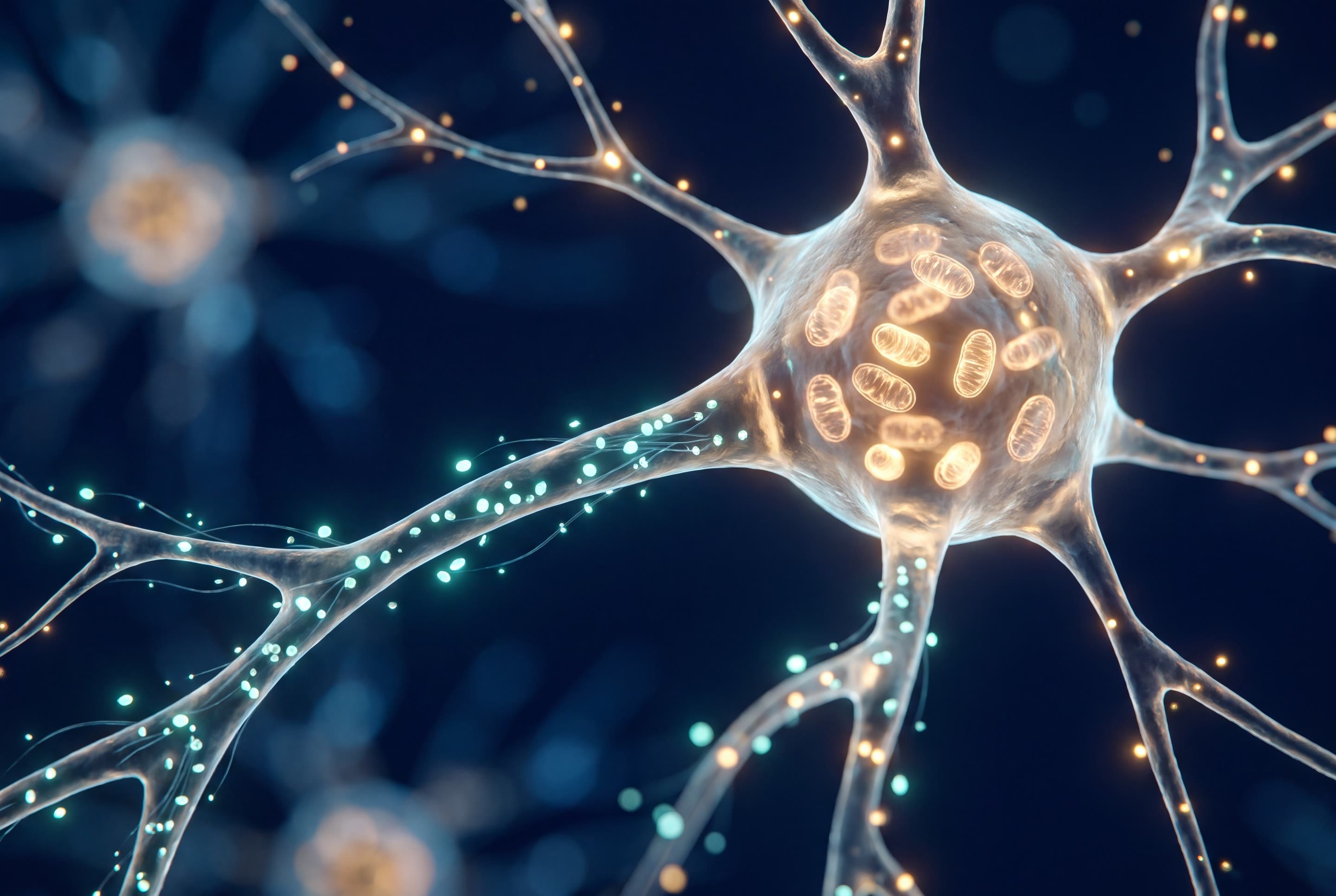
Creatine is one of the most researched supplements in sport. Less well known is that your brain relies on it too. Brain cells store creatine as phosphocreatine, a reserve they use to regenerate ATP, the molecule cells spend as energy, in the moments when demand spikes. Your body makes some creatine, and the rest comes from meat and fish.
That has led researchers to ask a simple question: if you top up the reserve, does thinking improve?
What the research shows
The first trial to draw wide attention gave 45 young vegetarian adults 5 g of creatine monohydrate a day for six weeks, in a double-blind crossover design. On creatine, they did better on a working memory test (repeating digit sequences backwards) and on a reasoning test (Raven’s Advanced Progressive Matrices) than on placebo (Rae et al., 2003 (opens in a new tab)).
Since then, two systematic reviews have pulled the trials together:
2018: six randomized trials in 281 healthy people. Short-term memory and reasoning had the most support; results for attention, long-term memory and executive function were mixed (Avgerinos et al., 2018 (opens in a new tab)).
2024: 16 randomized trials in 492 adults aged roughly 20 to 76. Creatine had a modest positive effect on memory, rated moderate-certainty evidence. There was no significant effect on overall cognition or executive function, and evidence for attention and processing speed was low-certainty (Xu et al., 2024 (opens in a new tab)).
Who seems to benefit most
The pattern across studies suggests creatine helps most when the reserve is lower to begin with. That includes people who eat little or no meat or fish. The 2024 review also found larger effects in people with existing health conditions, in adults under 60 and in women, though these subgroup results need confirming.
For a well-rested person who eats meat regularly, the expected effect is small. Creatine is not a substitute for sleep, and it won’t fix fatigue that has another cause.
Safety, and one lab-test detail
Creatine monohydrate has a long safety record. A position statement from the International Society of Sports Nutrition concluded that short- and long-term use is safe and well tolerated in healthy people (Kreider et al., 2017 (opens in a new tab)). Some people notice mild stomach upset or a small gain in water weight.
One practical point: creatine can raise creatinine, a blood marker labs use to estimate kidney function. That can make your kidney results look worse on paper when your kidneys are fine. If you take creatine, tell whoever orders your blood work. If you already have kidney disease, check with your provider before starting.
Good to know
Supplements can interact with medicines and health conditions. Talk with your provider before starting one, especially if you take prescription medicine, are pregnant or breastfeeding, or have kidney, liver or bleeding problems.
If your energy or focus has dropped and you want to understand why, THINKR’s providers can help you look at the whole picture, from sleep and labs to provider-led treatments.
References
Compounded medications are not FDA-approved. Prescriptions are issued only at a licensed provider’s discretion. This article is for information, not medical advice.
How we write
Articles are written by THINKR’s care team. They explain how care works and what research does and doesn’t show; they are general information, not medical advice, and your provider can tell you what applies to you. We update articles when guidance changes. Questions or corrections: support@thinkrmd.com.