
NAD+ Side Effects: What’s Normal, What Isn’t, and When to Call Your Provider
Flushing, nausea and injection-site reactions are the side effects people ask about most. Here is what is common, what is not, simple ways to make injections more comfortable, and when to call.
Related treatments
Key takeaways
- The most common side effects of NAD+ injections are redness or soreness where you inject, flushing, nausea, headache and tiredness.
- Most are mild and short-lived, but tell your care team about any you notice.
- Signs of an allergic reaction, a spreading or hot injection site, or chest pain need prompt medical attention.
- Never stop, double or change doses on your own; your provider can adjust the plan.
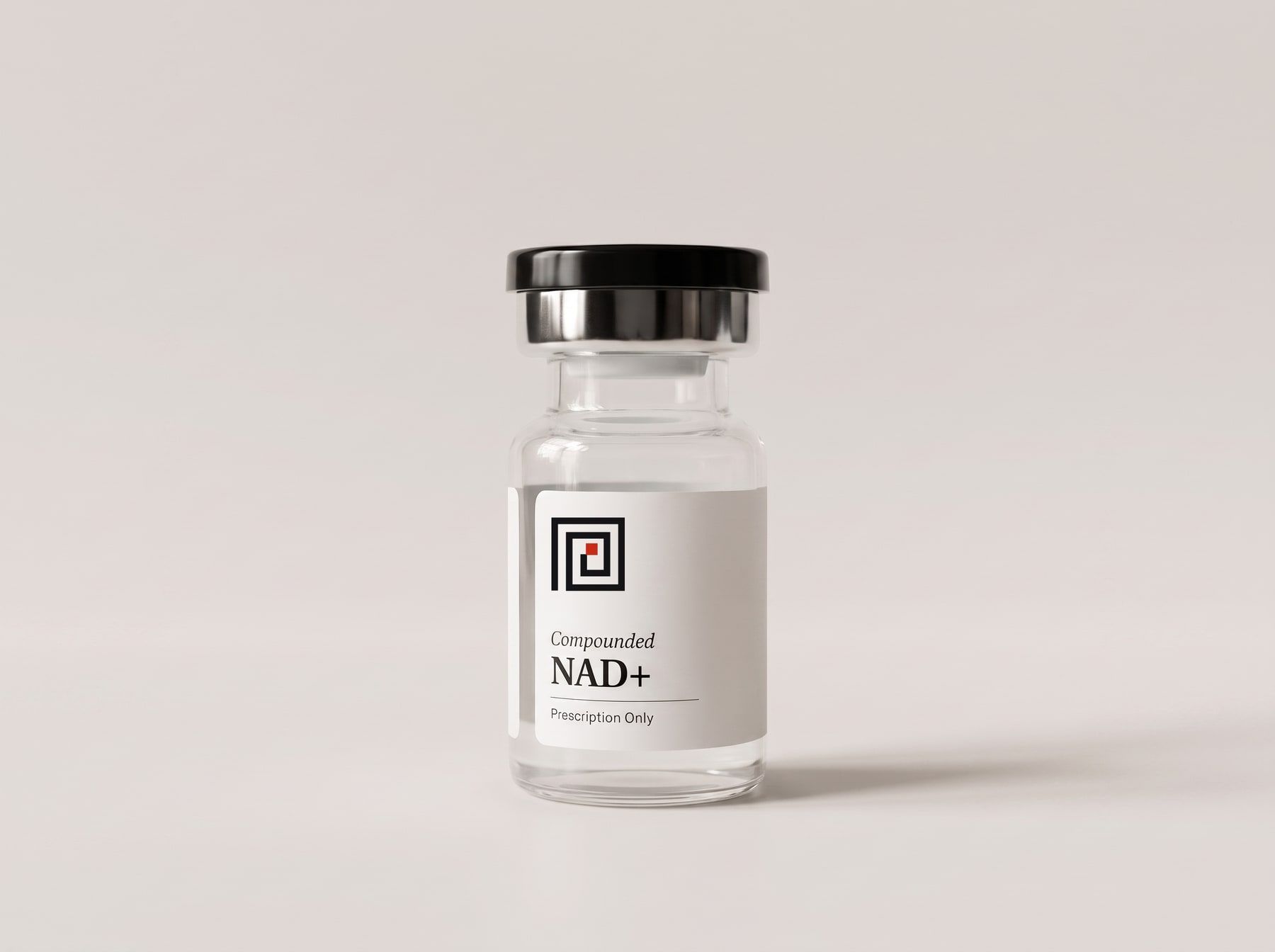
THINKR’s NAD+ is given as a small injection under the skin. Most people tolerate it well, but side effects can happen, especially in the first weeks. Knowing what to expect makes them easier to manage, and makes it clear when something needs a call.
Important
Call 911 or go to the nearest emergency room if you have trouble breathing, swelling of the face, lips or tongue, widespread hives, chest pain or fainting.
The common ones
These are the side effects listed for THINKR’s NAD+. They are usually mild.
Side effect | What it usually looks like | What can help |
|---|---|---|
Injection-site redness or soreness | A small pink area, mild tenderness or a little swelling where you injected, fading within a day or two. | Rotate sites as your instructions show. Let the alcohol swab dry fully before injecting. Inject slowly. |
Flushing | Warmth or redness of the face, neck or chest, usually brief. | Note when it happens and how long it lasts, and tell your care team. Your provider may adjust timing. |
Nausea | Mild queasiness, often soon after a dose. | Ask your care team whether timing your dose around a meal could help. |
Headache or tiredness | Mild and temporary. | Keep hydrated and note the pattern for your care team. |
Making injections more comfortable
Follow the storage and preparation steps in your kit exactly.
Rotate injection sites rather than using the same spot each time.
Let the alcohol swab dry before you inject, to reduce stinging.
Inject slowly and steadily.
Use each syringe once and put it straight into the sharps container.

What isn’t normal
Contact your care team the same day, or seek urgent care if you can’t reach them, if you notice:
A possible infection: redness that spreads, feels hot, is very painful, oozes, or comes with fever or chills.
Severe or persistent nausea or vomiting, or being unable to keep fluids down.
Flushing that comes with other symptoms, such as a racing heart, dizziness or a rash.
A hard lump or bruise that grows rather than fading.
Any new symptom that worries you, even if it isn’t on this list.
Important
Signs of a severe allergic reaction, such as trouble breathing, swelling of the face or throat, or widespread hives, need emergency care: call 911.
When to call your care team
You don’t need to wait for a scheduled check-in. Tell your care team about any side effect you notice, even a mild one, and especially if it keeps happening. Useful details include when you injected, where, when the reaction started, how long it lasted and anything else you took that day.
Your provider may suggest changes to timing or technique, or adjust the plan. Please don’t stop, skip, double or change your doses on your own.
Good to know
Before starting, tell your provider about every medicine and supplement you take. NAD+ isn’t suitable during pregnancy or breastfeeding, with active cancer, or with severe liver or kidney disease.
Compounded medications are not FDA-approved. Prescriptions are issued only at a licensed provider’s discretion. This article is for information, not medical advice.
How we write
Articles are written by THINKR’s care team. They explain how care works and what research does and doesn’t show; they are general information, not medical advice, and your provider can tell you what applies to you. We update articles when guidance changes. Questions or corrections: support@thinkrmd.com.